 What is benign prostate hyperplasia (BPH)? We’ve outlined relevant details about BPH in this article, including common symptoms, causes, risk factors, diagnosis methods, and treatment options.
Benign prostate hyperplasia (BPH)
Benign prostate hyperplasia (BPH) implies a urological condition where the bladder becomes enlarged. BPH exclusively affects men aged 51-60 who experience a blockage in the smooth release of urine. Benign prostatic hyperplasia could also lead to renal (kidney), urinary tract, and urinary bladder issues.
A men prostrate grows to twice its original size during the early phase of puberty. The gland experiences a second growth phase when a man becomes 25, and it continues to develop consistently with age. An enlarging prostate creates pressure on the urethra, causing the latter to become narrowed or constricted.
The urinary bladder is unable to empty itself owing to urethral narrowing leading to the occurrence of BPH. The word ‘benign’ preceding prostatic hyperplasia implies that the condition is not cancerous. However, a man with BPH could always be vulnerable to cancer, not necessarily because he’s suffering from the former.
BPH Symptoms
As per our experience, the symptoms of BPH and their acuteness could vary from one individual to another. With time, the symptoms tend to deteriorate. The most common symptom is the urge to urinate frequently. Other usual symptoms of BPH comprise:
- Nocturia or the increasing urge to urinate more often at night
- Streamlined and intermittent urination, i.e., thin discharge that starts and stops time and again
- Finding it difficult to urinate
- Trickling after urination
- Experiencing difficulty in emptying the bladder
The less common symptoms include:
- Hematuria (blood in urine)
- Urinary tract infection (UTI)
Causes
 BPH tends to be idiopathic; researchers are yet to pinpoint the exact cause or causes behind the condition. The functioning of the testes and aging are generally regarded as the chief causative factors of benign prostate hyperplasia. The fact that men whose testes were surgically excised before they attained adolescence do not develop BPH lends credence to the above postulations.
As men grow older, the production of male hormone testosterone decreases, which tilts the balance in favor of estrogen. Incidentally, men also produce a small proportion of the female sex hormone estrogen. This imbalance leads to a proliferation of substances that trigger the incidence of BPH.
A large number of medical experts also feel that increased levels of DHT (dihydrotestosterone) could also cause BPH. Other potential causes of BPH are:
- Bladder or prostate cancer
- Kidney or bladder stones
- Urethral stricture (narrowing)
- Prostatitis
- UTI
Complications or risk factors of BPH
The likely complications of benign prostate hypertrophy are:
- Kidney damage
- Bladder damage
- Bladder stones
- UTIs
- Urinary retention (the inability to empty the bladder)
The possible risk factors comprise
- Obesity
- Heart disease
- Diabetes
- Genetic predisposition
- Aging
Diagnosis
Our urologists review patients’ medical history and analyze the symptoms and perform one or more of the following assays for confirming BPH:
- PSA
- Urinalysis
- Urinary blood exam
- Physical exam
- Digital rectal exam (DRE)
- Prostate ultrasound
- Urodynamic pressure test
- Cystoscopy
We also carry out another diagnostic test for establishing whether a patient has BPH.
Treatment
We offer a range of treatment options at Fifth Avenue to BPH patients, including medicines (alpha blockers and alpha reductase inhibitors), self-catheterization, surgical procedures, and lifestyle changes.
Schedule a Confidential Consultation Today
Our urologists at Fifth Avenue Urology, Drs. Michael Brodherson, Leonard Glickman, and Yaniv Larish provide exemplary urological care. We’re fully conversant with the issues involving the human urological system, starting from the kidneys up to the reproductive system. At the same time, we’re aware of the physical and psychological aspects of urological conditions.
We treat all urological issues. The urological services we proffer comprise treatment for prostatitis, incontinence, kidney, prostate, testicular, and bladder cancers, vasectomy, circumcision, and BPH.
Talking about BPH, we regularly offer consultation and treatment to men in their fifties and sixties with an enlarged prostate.
FIFTH AVENUE UROLOGY
——–
5 East 83rd Street
New York, NY 10028
——–
212-675-3186
References
- https://www.medicinenet.com/benign_prostatic_hyperplasia/article.htm
- https://www.mayoclinic.org/diseases-conditions/benign-prostatic-hyperplasia/diagnosis-treatment/drc-20370093
- https://www.urologyhealth.org/urologic-conditions/benign-prostatic-hyperplasia-(BPH)





 Dr. Larish is a urologist and surgeon treating women and men with a variety of urological conditions. His expertise is in treating complex kidney stones, enlarged prostates (BPH), incontinence, erectile dysfunction, infertility, and urological oncology (prostate, bladder, kidney, and adrenal cancers). He is an expert in general urology and is often consulted for second opinions.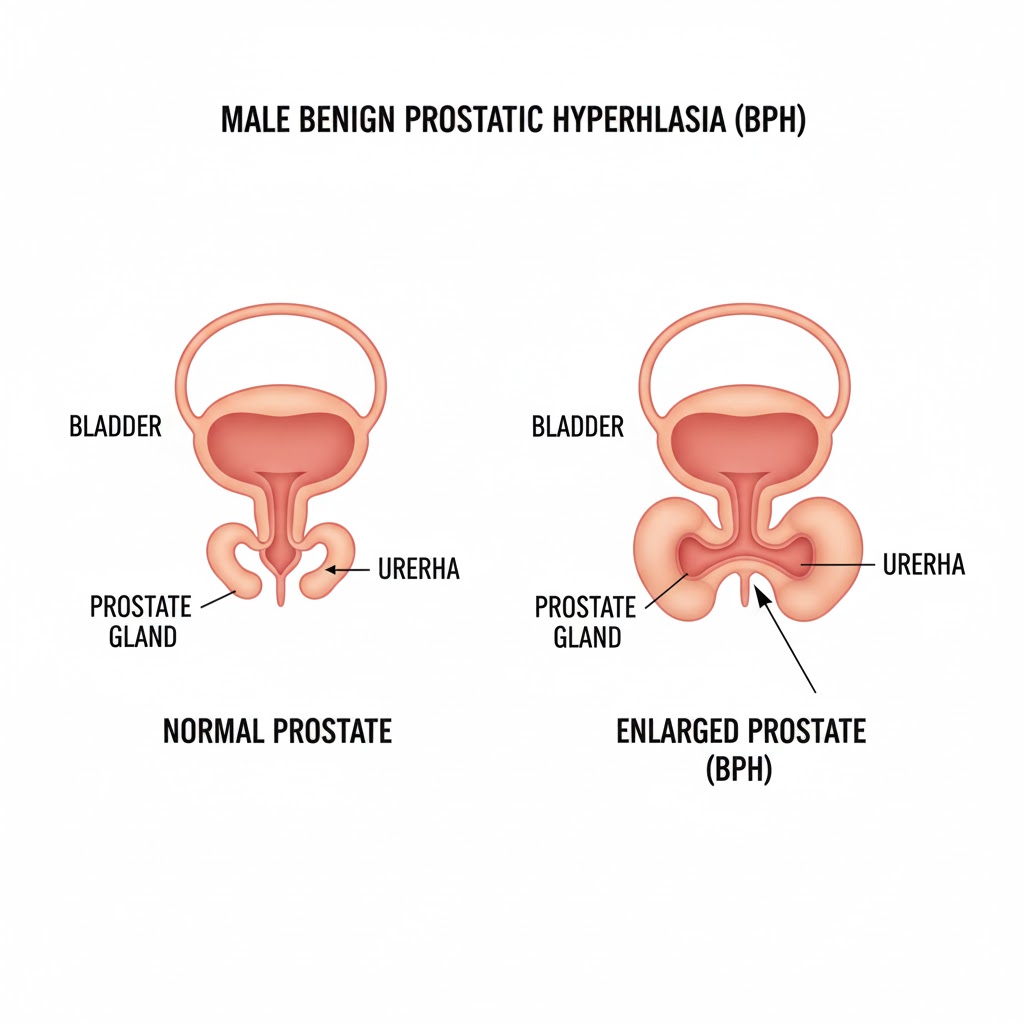
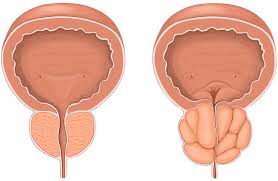 There are many men that suffer with various problems with their prostate gland and for some it can cause a lot of issues. This gland is one that is only found in men and as men get older, the risk of prostate problems can increase. One of the issues that can affect men is an enlarged prostate and this problem is very common in middle-aged and older men. For those that do develop an enlarged prostate, seeking expert help as early on as possible is important so that the problem can be addressed without delay.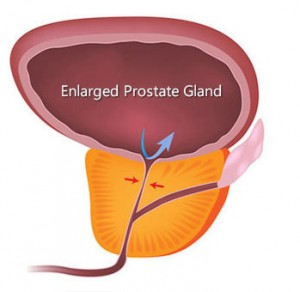
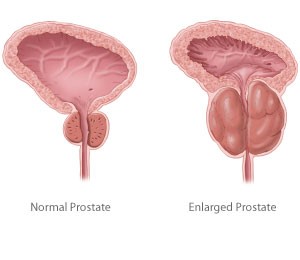 In some cases, this condition can cause the bladder to become blocked. This makes it very difficult or even impossible for men to urinate. When this happens, it creates a backup that can damage the kidneys, create bladder stones or lead to bladder infections. That’s why it is important for men to seek out treatment from their doctors should they believe that they have this condition.