• best-top-urologist-upper-east-side-ues-nyc
  • top-urologist-nyc-vasectomy-implants-prostate-03

Putting Patients First


Welcome to Fifth Avenue Urology, the practice of Dr. Yaniv M. Larish, located on Manhattan’s Upper East Side in New York City. We provide advanced diagnosis and treatment for the full spectrum of male and female urological conditions using the latest medical, minimally invasive, robotic, and reconstructive surgical techniques.

Dr. Larish is a board-certified urologist and surgeon who served as Chief Resident of Urology at Lenox Hill Hospital. He is also an Assistant Professor of Obstetrics and Gynecology at Rutgers University and serves as Director of Minimally Invasive Urological Surgery and Urogynecology at Jersey City Medical Center, part of Robert Wood Johnson Barnabas Health. He is recognized for providing thorough, individualized, and compassionate care while treating patients with a wide range of urological disorders, from common conditions to some of the most complex reconstructive cases.

Young woman consulting with NYC urologist about endometriosis and female pelvic healthHis areas of expertise include kidney stones, enlarged prostate (BPH), urinary incontinence, erectile dysfunction, male infertility, urological cancers, robotic and reconstructive urologic surgery, and the multidisciplinary treatment of complex endometriosis involving the urinary tract, bladder, ureters, bowel, and pelvic organs. He is frequently consulted for second opinions and challenging cases requiring specialized surgical expertise.

At Fifth Avenue Urology, we believe that exceptional patient care begins with listening. Every treatment plan is personalized to each patient’s condition, goals, and quality of life, combining academic-level expertise with the individualized attention of a private practice.


Schedule an appointment today

212-675-3186

zocdoc book appointment fifth avenue urology nyc

Featured Urology Topics


Yaniv M. Larish, M.D.

dr-yaniv-larish-fifth-avenue-urology2Dr. Yaniv M. Larish is committed to providing compassionate, individualized care for every patient. Whether treating a common urological condition or managing a highly complex reconstructive case, he believes that every patient deserves the time, attention, and expertise necessary to develop the best treatment plan.

Known for his thoughtful approach and surgical expertise, Dr. Larish is frequently consulted for second opinions and challenging cases requiring advanced urologic and reconstructive care. Same-day appointments are available for urgent concerns whenever possible, and house calls may be arranged in select situations.


Category Archives: Urinary incontinence doctor

Urge Incontinence in Women: Causes, Diagnosis, and Advanced Treatment Options

Urge Incontinence in Women-Causes Diagnosis Best Treatment NYCUrge incontinence in women is a common bladder-control problem characterized by a sudden, difficult-to-delay need to urinate followed by involuntary urine leakage. Although occasional urgency can happen to anyone, repeated episodes of urinary urgency and leakage can interfere with work, exercise, travel, sleep, and social activities. Fortunately, modern urology offers several effective approaches for identifying the underlying problem and treating symptoms, from behavioral therapies and medications to advanced bladder treatments.

What Is Urge Incontinence?

Urge incontinence is a type of urinary incontinence that occurs when a strong urge to urinate is followed by an involuntary loss of urine. It is commonly associated with overactive bladder (OAB), although overactive bladder does not always involve leakage. Women with OAB may experience urgency, increased urinary frequency, nighttime urination, and, in some cases, urge incontinence.

The bladder normally stores urine until a person decides it is an appropriate time to urinate. With urge incontinence, abnormal bladder contractions or problems involving the communication between the bladder, nerves, and brain can create urgency before a woman is prepared to empty her bladder.

Common Causes and Contributing Factors

There is not always one identifiable cause of urge incontinence. Symptoms can develop as a result of changes in bladder function, neurological conditions, infections, medications, or other health problems. Aging can also affect bladder capacity and urinary control, although incontinence should not simply be accepted as an unavoidable part of getting older.

Possible causes and contributing factors include:

  • Overactive bladder: Involuntary bladder muscle activity can produce sudden urgency and leakage.
  • Urinary tract infections: Bladder irritation from an infection can temporarily cause urgency, frequency, and incontinence.
  • Neurological conditions: Disorders affecting the brain, spinal cord, or nerves can interfere with normal bladder signaling.
  • Pelvic floor changes: Pregnancy, childbirth, menopause, pelvic surgery, and aging can affect the structures involved in urinary control.
  • Bladder irritants: Caffeine, alcohol, and certain foods or beverages can aggravate urinary urgency in some patients.

How Urge Incontinence Is Diagnosed

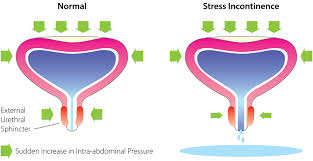
A proper diagnosis is important because urinary leakage can have many causes. Stress incontinence, for example, typically occurs with coughing, laughing, exercising, or other activities that increase abdominal pressure. Some women have mixed incontinence, meaning that both stress and urgency-related leakage are present.

Evaluation usually begins with a detailed discussion of urinary symptoms, medical history, medications, previous surgeries, pregnancies, and other relevant health factors. A urinalysis may be performed to look for infection or blood in the urine. A bladder diary can also provide valuable information by recording fluid intake, bathroom visits, episodes of urgency, and urinary leakage over several days.

Depending on the patient’s symptoms and history, additional evaluation may include measuring the amount of urine remaining in the bladder after urination, pelvic examination, urodynamic testing, imaging, or cystoscopy. Not every patient requires all of these tests. The goal is to determine what is contributing to the symptoms so treatment can be appropriately individualized.

Behavioral and Pelvic Floor Treatments

Many women begin treatment with conservative approaches. Bladder training can help patients gradually increase the interval between bathroom visits rather than immediately responding to every sensation of urgency. Pelvic floor muscle exercises may improve the ability to suppress urgency and prevent leakage. Some patients benefit from working with a pelvic floor physical therapist who can teach proper muscle coordination and relaxation techniques.

Lifestyle modifications may also help. These can include adjusting the timing and amount of fluid consumption, reducing caffeine or other known bladder irritants, managing constipation, and maintaining a healthy weight. Patients should generally avoid severely restricting fluids without medical advice, because overly concentrated urine can itself irritate the bladder.

Medications for Urgency and Overactive Bladder

When behavioral treatments do not provide sufficient relief, medication may be considered. Antimuscarinic medications work by reducing involuntary bladder contractions. Another class, beta-3 adrenergic agonists, helps the bladder relax during its storage phase so it can hold urine more effectively.

The appropriate medication depends on a patient’s overall health, other medications, severity of symptoms, and potential side effects. Treatment should therefore be individualized rather than assuming that one medication is appropriate for every woman.

Advanced Treatment Options for Urge Incontinence

Women who continue to experience significant symptoms despite conservative treatment and medication may have additional options. Advances in urology have made it possible to target bladder function and the nerves responsible for urinary control without relying on major surgery in many cases.

  • Botulinum toxin injections: Botox can be injected into the bladder muscle to reduce excessive contractions and improve urgency and urge incontinence in appropriately selected patients.
  • Percutaneous tibial nerve stimulation (PTNS): This treatment stimulates a nerve near the ankle that communicates with the nerves involved in bladder control.
  • Sacral neuromodulation: A small implanted device can deliver electrical stimulation to the sacral nerves involved in bladder function and may help patients with persistent overactive bladder symptoms.

Each treatment has specific benefits, limitations, and potential risks. A urologist can determine which approach is appropriate based on the patient’s diagnosis, previous treatments, health history, and personal preferences.

When Should You See a Urologist?

Women should consider a urological evaluation when urgency or leakage becomes persistent, interferes with daily activities, disrupts sleep, or causes them to change their routines to remain close to a bathroom. New urinary symptoms should also be evaluated when accompanied by pain, difficulty urinating, recurrent urinary tract infections, or blood in the urine.

Urinary leakage is common, but that does not mean women need to simply live with it. Determining whether symptoms are caused by overactive bladder, infection, pelvic floor dysfunction, neurological problems, or another urological condition allows treatment to focus on the actual source of the problem.

Urge Incontinence in Women: Causes, Diagnosis, and Advanced Treatment Options: Conclusion

Urge incontinence in women can have a substantial effect on comfort, independence, sleep, and quality of life, but numerous treatment options are available. Bladder training, pelvic floor therapy, medications, Botox, and neuromodulation therapies give urologists multiple ways to tailor treatment to an individual patient’s symptoms and needs. Seeking an evaluation is particularly important when urinary urgency or leakage becomes frequent or begins interfering with everyday activities.

Specialized Care for Female Urinary Incontinence in NYC

At Fifth Avenue Urology, Dr. Yaniv Larish evaluates and treats women experiencing urge incontinence, overactive bladder, urinary frequency, and other bladder-control problems. By identifying the factors responsible for a patient’s symptoms, Dr. Larish can develop an individualized treatment strategy that may include conservative management, medical therapy, or more advanced urological treatment when appropriate.

Women experiencing persistent bladder symptoms can schedule an evaluation to discuss the options available for improving urinary control and quality of life. Call today to schedule.

FIFTH AVENUE UROLOGY
Dr. Yaniv Larish
4 East 76th Street
New York, NY 10021
Phone: 212-675-3186
Website: https://www.fifthavenueurology.com/

Life After Treatment: Stories of Overcoming Urinary Incontinence

Urinary incontinence is a common condition that affects people of all ages and backgrounds. While the following stories are fictional, they illustrate how individuals with the most common incontinence experiences from various walks of life can triumph over urinary incontinence with the right treatment.

Life After Treatment Stories of Overcoming Urinary Incontinence

Stories of Overcoming Urinary Incontinence

Alex’s Journey to Freedom

Meet Alex, a fictitious character who represents the many individuals dealing with urge incontinence. Constantly battling the urge to use the restroom, Alex’s life was filled with anxiety and discomfort. After seeking advice from a urologist, Alex decided to try Botox injections. The results were astounding. “I can’t believe how much my life has improved,” Alex exclaims. “Botox has given me the freedom to live without being a slave to my bladder.”

Sarah’s Triumph Over Stress Incontinence

Sarah, a fictional character and a busy mother of two, experienced stress urinary incontinence following childbirth. The fear of leaking during crucial moments had taken a toll on her self-esteem. She opted for a non-surgical solution using Solyx mini slings. “It’s like a weight has been lifted off my shoulders,” Sarah says. “Now I can enjoy every moment with my children without the constant worry of embarrassment.”

David’s Journey with Sacral Neuromodulation

David, another fictional character, faced the challenges of mixed incontinence. His condition was affecting both his personal and professional life. After extensive research, he decided to undergo sacral neuromodulation. “I’m a completely different person now,” David reports. “I’ve regained control over my bladder, and it’s transformed every aspect of my life for the better.”

Emma’s Success with Lifestyle Changes

Our final fictional character, Emma, began experiencing urinary incontinence after menopause. She was determined to find a solution that didn’t involve medications or surgery. With guidance from her healthcare provider, Emma made significant lifestyle changes, including dietary adjustments and regular pelvic floor exercises. “It took effort, but it was worth it,” Emma shares. “I can now enjoy my golden years without the constant worry of leakage.”

Urinary Incontinence: Consult a Specialist

While these stories are entirely fictional, they reflect the real-life experiences of many individuals who have successfully overcome urinary incontinence. If you’re living with this condition and seeking a solution, remember that you don’t have to face it alone. Consult with a urology specialist to explore the most suitable treatment options based on your unique needs and goals.

Remember that while these stories are purely fictional, they are intended to illustrate the potential for success in overcoming urinary incontinence. Reach out to us today to discuss your options toward a life free from the limitations of incontinence.

Contact Information

FIFTH AVENUE UROLOGY
5 East 83rd Street
New York, NY 10028
Phone: 212-675-3186
Website: https://www.fifthavenueurology.com/
Comparing Treatment Options for Urinary Incontinence: Botox, Sacral Neuromodulation, and More

Treatment Options for Urinary IncontinenceWhat are the main treatment options for urinary incontinence? UI can significantly impact your quality of life, making it essential to explore effective treatment options. Among the various approaches available, Botox injections and sacral neuromodulation are gaining recognition for their ability to provide relief. In this comprehensive guide, we’ll compare these treatments and more to help you make an informed decision about managing urinary incontinence.

Understanding Urinary Incontinence

Before diving into treatment options, let’s briefly explore urinary incontinence:

Urinary incontinence is a common condition characterized by the involuntary leakage of urine. It can occur due to various factors, including weakened pelvic muscles, nerve damage, or underlying medical conditions. There are different types of urinary incontinence, including stress incontinence, urge incontinence, and mixed incontinence, each with its own set of causes and symptoms.

Treatment Options for Urinary Incontinence

When it comes to treating urinary incontinence, several options are available. Let’s compare some of the most notable ones:

Botox Injections

  • How It Works: Botox injections involve the injection of botulinum toxin into the bladder muscles. This toxin temporarily relaxes overactive bladder muscles, reducing the frequency and urgency of urination.
  • Effectiveness: Botox injections have shown significant effectiveness, particularly in treating urge incontinence and overactive bladder.
  • Duration of Relief: The effects of Botox injections typically last for several months, and the procedure can be repeated as needed.

Sacral Neuromodulation

  • How It Works: Sacral neuromodulation involves the implantation of a small device near the sacral nerves, which control bladder function. This device sends mild electrical impulses to modulate nerve activity and improve bladder control.
  • Effectiveness: Sacral neuromodulation is effective in treating various types of urinary incontinence, including urge incontinence and mixed incontinence.
  • Duration of Relief: Many patients experience long-term relief with sacral neuromodulation. The device can be adjusted or replaced as needed.

Lifestyle Changes and Pelvic Floor Exercises

  • How They Work: Lifestyle changes may include dietary adjustments, weight management, and fluid intake monitoring. Pelvic floor exercises (Kegels) aim to strengthen the muscles that support the bladder and urethra.
  • Effectiveness: For some individuals, lifestyle changes and pelvic floor exercises alone can significantly improve or even eliminate urinary incontinence, especially for stress incontinence.
  • Duration of Relief: The effectiveness of lifestyle changes and exercises can be long-lasting if consistently practiced.

Medications

  • How They Work: Medications can help relax bladder muscles or tighten the urethral sphincter, depending on the type of incontinence.
  • Effectiveness: Medications can be effective for managing symptoms of overactive bladder and urge incontinence.
  • Duration of Relief: Medications typically provide relief while being taken. They may need to be continued to maintain their effects.

Treatment Options for Urinary Incontinence: Consult a Specialist

Choosing the right treatment for urinary incontinence depends on various factors, including the type and severity of your condition, your medical history, and your preferences. Consulting with a specialist like Dr. Yaniv Larish at Fifth Avenue Urology is crucial. He will assess your condition, discuss your options, and develop a personalized treatment plan tailored to your unique needs.

FIFTH AVENUE UROLOGY
5 East 83rd Street
New York, NY 10028
Phone: 212-675-3186
Website: https://www.fifthavenueurology.com/

Take the first step toward managing urinary incontinence effectively. Contact us today to schedule a consultation with Dr. Yaniv Larish and explore the treatment options that can help you regain control and improve your quality of life.

Single Incision Solyx Mini Slings for Stress Urinary Incontinence

mini slings for stress urinary incontinenceCould you benefit from mini slings for stress urinary incontinence? Stress urinary incontinence (SUI) is a common condition that affects many women, leading to involuntary urine leakage during activities that put pressure on the bladder, such as coughing, sneezing, laughing, or exercising. If you’re living with SUI, you understand the impact it can have on your daily life and self-confidence. Fortunately, medical advancements have brought forth innovative solutions like single incision Solyx mini slings, offering effective treatment options. In this easily readable guide, we’ll delve into the benefits of this groundbreaking approach to managing SUI.

Understanding Stress Urinary Incontinence (SUI)

Before we explore the advantages of single incision Solyx mini slings, it’s essential to understand the condition they are designed to treat:

SUI occurs when the muscles and tissues that support the bladder and urethra become weakened or damaged, leading to urinary leakage when there is pressure on the bladder. Common causes include childbirth, hormonal changes, obesity, and chronic straining.

Traditional SUI Treatments

Traditionally, stress urinary incontinence has been managed through various methods, including:

  • Pelvic Floor Exercises (Kegels): Strengthening the pelvic floor muscles can help reduce SUI symptoms.
  • Lifestyle Modifications: Lifestyle changes, such as weight management and fluid intake adjustments, may provide some relief.
  • Medications: Some medications can help tighten the urethral sphincter to reduce leakage.

However, these treatments may not always provide long-lasting or satisfactory results for all individuals with SUI. This is where single incision Solyx mini slings come into play.

The Advantages of Single Incision Solyx Mini Slings

Single incision Solyx mini slings represent a significant advancement in the treatment of SUI. Here’s why they are gaining recognition:

Minimally Invasive:

Unlike traditional surgical procedures, single incision Solyx mini slings are minimally invasive. The entire procedure is performed through a single small incision, typically resulting in less pain, shorter recovery time, and minimal scarring.

Effective Support:

The sling is placed under the urethra, providing support and preventing leakage when pressure is applied to the bladder. This support offers effective and long-lasting relief from SUI symptoms.

Quick Procedure:

The procedure itself is relatively quick, often taking less than 30 minutes to complete. Patients can typically return to their normal activities within a few days.

High Success Rate:

Single incision Solyx mini slings have shown a high success rate in improving or eliminating SUI symptoms, leading to improved quality of life for patients.

Mini Slings for Stress Urinary Incontinence: Schedule a Consultation with a Specialist

If you’re considering treatment for stress urinary incontinence and are interested in the benefits of single incision Solyx mini slings, consulting with a specialist is essential. Dr. Yaniv Larish at Fifth Avenue Urology is an expert in diagnosing and treating SUI. He will evaluate your condition, discuss your treatment options, and create a personalized plan tailored to your unique needs.

Don’t let stress urinary incontinence affect your daily life. Contact Fifth Avenue Urology today to schedule a consultation and explore how single incision Solyx mini slings can help you regain control and confidence.

Contact Information

FIFTH AVENUE UROLOGY
5 East 83rd Street
New York, NY 10028
Phone: 212-675-3186
Website: https://www.fifthavenueurology.com/

Bladder Botox: Revolutionizing Urge Urinary Incontinence Management

A new and revolutionary approach to treat urge urinary incontinence (UUI) is Bladder Botox, a game-changing treatment that holds promise in controlling UUI symptoms and improving your overall quality of life. Urge urinary incontinence (UUI) can be a daily struggle, affecting not only your physical comfort but also your confidence and lifestyle. Fortunately, medical science has made significant strides in offering innovative solutions to manage UUI effectively.

Bladder Botox best Urge Urinary Incontinence Management Men

Understanding Urge Urinary Incontinence (UUI)

UUI, often referred to as overactive bladder (OAB), is characterized by sudden, strong urges to urinate, often leading to involuntary leakage. It’s a condition that can disrupt daily activities, social interactions, and even sleep. UUI can result from various factors, including bladder muscle overactivity and neurological conditions.

Bladder Botox: How Does It Work?

Bladder Botox, also known as onabotulinumtoxinA, is derived from the same substance used in cosmetic treatments to reduce wrinkles. However, when used for UUI, it serves a different purpose. Here’s how it works:

• Muscle Relaxation: Injections directly into the bladder muscle help relax the overactive muscle fibers responsible for UUI symptoms. This relaxation reduces the intensity and frequency of sudden urges to urinate.
• Increased Capacity: By calming the bladder muscle, Botox increases the bladder’s storage capacity, allowing it to hold more urine without triggering urgency.

The Bladder Botox Procedure

The procedure is minimally invasive and typically performed in a urologist’s office. It involves the following steps:

• Local Anesthesia: Your urologist will apply a local anesthetic to numb the area and minimize discomfort.
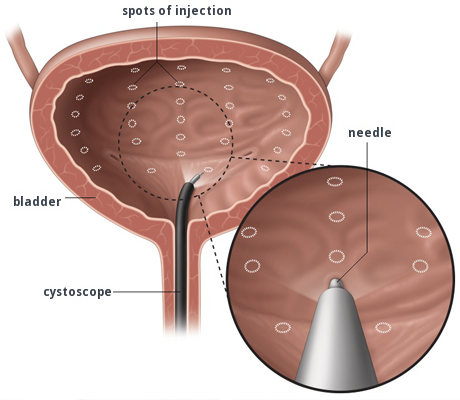
• Injection: Using a thin cystoscope, a small tube with a camera at its tip, your urologist will guide the Botox injection into specific areas of the bladder.
• Quick Procedure: The entire procedure usually takes less than 30 minutes, and you can return to your daily activities shortly afterward.

Urinary Incontinence Management women

Results and Benefits

Patients often experience relief from UUI symptoms within a week or two after the Bladder Botox procedure. Benefits include:

• Reduced Urgency: Sudden urges to urinate become less frequent and less intense.
• Increased Continence: Fewer episodes of leakage and improved control.
• Enhanced Quality of Life: Regain the confidence to enjoy daily activities without fear of accidents.

Consultation with a Urology Specialist

Considering Bladder Botox for UUI management is a significant decision. Consulting a urologist who specializes in urological conditions, like Dr. Yaniv Larish at Fifth Avenue Urology in New York City, is crucial. Dr. Larish and his team will evaluate your condition, discuss your treatment options, and determine if Bladder Botox is the right choice for you.

Take the first step toward a life with improved bladder control and confidence. Contact Fifth Avenue Urology today to schedule a consultation.

FIFTH AVENUE UROLOGY
5 East 83rd Street
New York, NY 10028
Phone: 212-675-3186
Website: https://www.fifthavenueurology.com/

Discover how Bladder Botox can revolutionize your journey to manage urge urinary incontinence effectively. Reach out to us, and let’s work together to reclaim your comfort and peace of mind.

Managing Urge Urinary Incontinence: Exploring Medical Treatment Options

Managing Urge Urinary Incontinence 2024Urge Urinary incontinence can significantly impact one’s quality of life, and urge urinary incontinence (UUI) is no exception. UUI, characterized by a sudden, strong urge to urinate and an inability to reach the toilet in time, is a condition that affects many individuals. In this blog, we will explore what UUI is, its causes, and the various medical treatment options available to help manage and improve this condition.


Understanding Urge Urinary Incontinence (UUI)

Urge urinary incontinence, also known as overactive bladder (OAB), is a condition marked by the involuntary loss of urine following a sudden, intense urge to urinate. This urge can be challenging to control, leading to leakage episodes that can be embarrassing and disruptive.

Common Causes of UUI

UUI can have various causes and contributing factors, including:

  • Bladder Muscle Dysfunction: Overactivity or spasms in the muscles of the bladder can lead to UUI.
  • Neurological Conditions: Certain neurological disorders, such as multiple sclerosis, can affect bladder function and lead to UUI.
  • Urinary Tract Infections (UTIs): Infections in the urinary tract can irritate the bladder and trigger UUI symptoms.
  • Medications: Some medications can affect bladder control and increase the risk of UUI.

Medical Treatment Options for UUI

Managing UUI often involves a combination of lifestyle changes, behavioral therapies, and medical treatments. Here, we’ll focus on medical treatment options:

  • Anticholinergic Medications: These medications help relax the bladder muscles and reduce the frequency and intensity of urges. They are available in oral and transdermal forms.
  • Beta-3 Agonists: This newer class of medications helps increase the bladder’s capacity and reduce the urge to urinate.
  • Botox Injections: In some cases, injections of botulinum toxin (Botox) into the bladder muscle can effectively control UUI symptoms by relaxing overactive muscles.
  • Sacral Neuromodulation: This minimally invasive procedure involves the placement of a small device under the skin, near the sacral nerves. It modulates nerve signals to the bladder, helping to control urges and reduce UUI episodes.
  • Percutaneous Tibial Nerve Stimulation (PTNS): PTNS is a non-surgical therapy that involves the placement of a thin needle near the ankle, which is connected to a device that delivers electrical impulses to the tibial nerve. This therapy helps regulate bladder function.

Managing Urinary Incontinence urologist nyc

Consult a Specialist for UUI Management

If you or a loved one is dealing with urge urinary incontinence, seeking professional help is essential. At Fifth Avenue Urology, our team, led by Dr. Yaniv Larish, specializes in diagnosing and treating UUI, among other urological conditions. Don’t let UUI control your life. Contact Fifth Avenue Urology today to schedule a consultation and explore the medical treatment options available to manage and improve your condition.

FIFTH AVENUE UROLOGY
5 East 83rd Street
New York, NY 10028
Phone: 212-675-3186
Website: https://www.fifthavenueurology.com/

Regain control and confidence in managing your urge urinary incontinence with the expertise of Dr. Yaniv Larish and our dedicated urology team. Contact us today to take the first step toward a more comfortable and fulfilling life.

Unlocking the Power of Bladder Botox: A Comprehensive Guide to Overcoming Urinary Incontinence

urinary incontinence and treatment

In this comprehensive guide, we will explore how bladder Botox can help in overcoming urinary incontinence, a common condition that can significantly impact a person’s quality of life. If you or someone you know is struggling with urinary incontinence, there is hope. Advances in medical technology and treatments have provided effective solutions to help overcome this condition. One such innovative treatment is bladder Botox.

Understanding Urinary Incontinence

Urinary incontinence refers to the involuntary leakage of urine. It can occur due to various factors, including weak pelvic floor muscles, nerve damage, or bladder dysfunction. The condition can affect people of all ages and genders, causing embarrassment, social anxiety, and a decreased quality of life.

bladder botox for urinary incontinence 2023

Introducing Bladder Botox as Urinary Incontinence Treatment

Bladder Botox, also known as onabotulinumtoxin-A, is a non-surgical treatment option for urinary incontinence. Botox, derived from the bacterium Clostridium botulinum, works by temporarily paralyzing the bladder muscles, reducing bladder contractions and the urge to urinate.

The Bladder Botox Treatment Process

The procedure involves the following steps:

  1. Preparation: Before the treatment, a urologist will evaluate your medical history, perform a physical examination, and discuss the procedure in detail.
  2. Anesthesia: Local anesthesia or sedation may be used to ensure your comfort during the procedure.
  3. Injection: Botox is injected into multiple sites in the bladder using a thin cystoscope. The procedure is typically quick and minimally invasive.
  4. Recovery: You will be monitored for a short period after the procedure to ensure there are no immediate complications. Most patients can return home on the same day.

bladder-botox-diagram

Benefits of Bladder Botox

Bladder Botox offers several benefits for those suffering from urinary incontinence, including:

  1. Improved Bladder Control: Botox injections help relax the bladder muscles, reducing urgency, frequency, and urge incontinence.
  2. Minimally Invasive: The procedure is performed on an outpatient basis, minimizing the need for extensive hospital stays or recovery time.
  3. Long-Lasting Results: The effects of bladder Botox can last for several months, providing relief from urinary incontinence symptoms.
  4. Enhanced Quality of Life: By regaining control over bladder function, individuals can experience a significant improvement in their overall quality of life.

Contact Fifth Avenue Urology: Bladder Botox for Urinary Incontinence

If you’re ready to regain control over your bladder and overcome urinary incontinence, the team at Fifth Avenue Urology is here to help. Led by Dr. Yaniv Larish, our experienced urologists specialize in providing comprehensive urological care, including bladder Botox treatment.

Don’t let urinary incontinence limit your activities or hinder your confidence any longer. Take the first step towards a better quality of life by contacting Fifth Avenue Urology today:

FIFTH AVENUE UROLOGY
5 East 83rd Street
New York, NY 10028
Phone: 212-675-3186

Website: https://www.fifthavenueurology.com/

Urinary Incontinence: Men vs. Women

urinary-incontinence-men-women-01Urinary incontinence is quite a common condition among people of all ages. Millions of people in the United States alone suffer from Urinary incontinence. These people differ in age, race, and of course gender. While it is definitely more likely for women to have urinary incontinence, men also suffer from this condition at an unprecedented rate, but for very different reasons.

While Urinary incontinence is a direct result of a prostate issue in men, women can have this condition for a number of different reasons. These reasons also make them a lot more susceptible to this disease regardless of their age.

Urinary Incontinence in Men

Urinary incontinence in men is especially common at an older age because of the rapid growth of the prostate. The prostate is a small organ between your penis and the bladder from where urine and sperm pass through to go out of the body. The prostate tends to get bigger as men get older, putting men at a much greater risk of a UI. Of course, age is not the only factor that determines UI. Prostate cancer, constipation, Urinary Tract infection and an enlarged prostate are all factors that contribute to Urinary incontinence.

Urinary Incontinence in Women

Unlike men, who have a single body part that is often responsible for Urinary Incontinence, women can have a number of reasons contributing to this condition. Some of the reasons why women have Urinary incontinence include menopause, pregnancy, and a urinary tract infection. Urinary Incontinence is especially common during Menopause and pregnancy, and is a major reason why women are more likely to have UI rather than men. They are also more susceptible to getting Urinary incontinence as they get older much like men.

Types of Urinary Incontinence

types-urinary-incontinence-men-womenThere are many different types of Urinary incontinence and almost none of them are gender specific. Some of the most famous types of UI are the stress and urge UI. Both of these are very common among both men and women and each is very different. The stress condition is when urine start to leak when the body is put under the slightest amount of stress. This means that exercising, laughing, sneezing, and even coughing can lead to people urinating. Urge is completely different where people will feel a sudden urge to urinate but will not be able to make it to the bathroom in time.
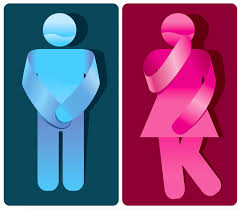
Other types include overflow and functional UI that are not as common, yet quite serious conditions. Overflow is when the bladder is never able to fully empty. This conditions results in urine leakage and the person has very little or no control over it . Functional incontinence is possibly the most dangerous as it is when you have the need to urinate and you feel it, but due to some other mental or physical ailment you are not able to go to the bathroom.

Conclusion

A Urinary incontinence is a very serious and often a very embarrassing issue that can often put you into a very uncomfortable spot. But as difficult as this condition may seem, there is nothing that a quick trip to a urologist can’t help. We have some of the most talented and dedicated urologists looking to help you with your conditions.

Visit our Fifth Avenue Urology website to learn more about our urologists and get help with your condition.

What is Urinary Incontinence?

Urinary incontinence is a serious bladder problem that can put you in an embarrassing position. Incontinence, or loss of bladder control, can range in severity and types but all of them are quite troublesome. While on the lowest level, men experience small leaks of urine when coughing or sneezing, the extreme condition is when men feel a very sudden urge to use the bathroom and cannot make it in time.

Although most people believe that this is a consequence of getting older, younger men can also have this serious problem. In other words, men of any age can have urinary incontinence, making it all the more troublesome. However, you don’t have to stay this way, as there are cures for this condition that are sure to get you back on track.

Symptoms

Urinary Incontinence is a very serious disease that affects thousands of people across the United States alone. With that said, it is also one of the easiest genital diseases to diagnose because of for the clear unambiguous symptoms.  Overflow Incontinence is one of the symptoms of this condition, and it leads to your penis leaking continuously because your bladder is never properly empty. Stress incontinence is possibly the most common, as this causes urine to leak when person experiences stress on the bladder for any reason. This means laughing, sneezing, coughing, or even exercise can lead to urine leaking.

Other symptoms include urge Incontinence and functional Incontinence, which cause leaks due to a sudden urge to urinate.

Risks

Even if you are not experiencing some of these symptoms, it does not mean that you are completely safe from Urinary Incontinence. There are several factors which show that you can possibly be susceptible to this particular condition. Factors like age and gender are especially relevant in this case. Women are much more susceptible to stress Incontinence than men, and over the age of 50, it is prevalent in both genders.

Smoking is also a factor that puts you under the risk of incontinence, as well as being overweight because that puts more pressure on your bladder. But there are also certain items (consumables) that make your bladder a lot weaker and more susceptible to temporary Urinary Incontinence. The items include caffeine, chocolate, chili peppers, alcohol, and sparkling water, among other things.

Causes

While some Urinary Incontinence is temporary, most of it can last much longer than it needs to. Persistent Urinary Incontinence is often due to multiple factors, including urinary tract infections and constipation both very easily curable diseases. On the other hand, Urinary Incontinence can stay if the woman is pregnant or in menopause. It can also be because of an enlarged prostate or even prostate cancer. But there are of course more natural reasons for this including aging.

Conclusion

Urinary Incontinence can be a very embarrassing yet serious condition if left unchecked. If you are noticing some of these symptoms, then you shoud seek a urologist to get a checkup.

FIFTH AVENUE UROLOGY
5 East 83rd Street
New York, NY 10028
——–
212-675-3186
https://www.fifthavenueurology.com/

Causes, Symptoms, and Treatment of Urinary Incontinence

urinary-incontinence-causes-symptoms-urologist-nyc-01Generally speaking, urinary incontinence is a grave health issue where an individual’s ability to hold urine weakens or is completely lost. It is prevalent in geriatric or old people, and is more predominant in women, compared to men.

Urinary incontinence: Causes

We at Fifth Avenue Urology have observed that urinary incontinence could adversely affect the normal life of the patient. Those diagnosed with UI tend to become depressed, and may avoid going out altogether. Whenever a UI patient steps out, he or she ensures that a bathroom is always available close by.

For dealing with the embarrassing problem, we always advise patients to restrict their fluid consumption, and always keep diapers handy. The chief causes of urinary incontinence include:-

  • Obesity
  • Aging
  • Surgical procedures like hysterectomy
  • Menopause
  • Childbirth
  • Pregnancy
  • Benign prostate hypertrophy (BPH) or an enlarged prostate
  • Idiopathic factors (unknown causes)
  • Diabetes
  • Stroke
  • Parkinson’s disease
  • Urinary tract infections including prostate infection and cystitis
  • Specific medicines
  • Compromised functioning of the urinary bladder due to aging

Symptoms of urinary incontinence

Uncontrolled urine leak is the most obvious symptom of urinary incontinence. The frequency and severity of the complication determines the type of UI. The most common form of UI is stress incontinence and usually is prevalent in menopausal women and women of child-bearing age. Involuntary urination happens due to sudden and excessive pressure (stress) on urinary bladder and sphincter muscles.

The other most widespread form of UI called ‘overactive bladder’ or urge incontinence. The severity or urge to urinate is so intense that patients do not even get the time to go to the bathroom. The other less common UI types include mixed incontinence, overflow incontinence, functional incontinence, and total incontinence. Other common symptoms of UI are:

  • Involuntary bed wetting
  • Going to the bathroom several times in a day
  • Constant release once the bladder is filled with urine

Urinary Incontinence Treatment

There are several treatment methods and options for urinary incontinence. The form of UI a patient has and also the person’s age, mental and physical wellbeing will determine the treatment type. The treatment methods for stress incontinence include:

  • Kegel exercises (pelvic floor workouts)
  • Bladder training (training to delay the event, double voiding, and maintaining a toilet schedule
  • Medications (topical estrogen, Anticholinergics, and Imipramine, and TCAs (tricyclic antidepressants)
  • Medical devices (sacral nerve stimulator, Botox, radiofrequency therapy, Pessary, urethral inserts, and bulking agents)

Surgery is the last option when the above treatments prove ineffective. The surgical procedures comprise:

  • Insertion of artificial sphincter
  • Colposuspension
  • Sling procedures
  • Prolapse surgery

Conclusion

We recommend UI patients who visit our chamber to make a few lifestyle changes. For instance, our urologists advise the patients to place a portable commode besides their bed. We also advise patients to stay at home as much as possible, carry extra clothes and wear absorbent pad when stepping out.

Fifth Avenue Urology, situated in the Upper East Side locality of NYC’s Manhattan Borough has cemented its goodwill as a specialty urological clinic. The urologists at our reputed urological care center have dedicated themselves to the cause of providing the entire gamut of urological services. Our expert physicians, Dr. Leonard Glickman, Dr. Larish, and Dr. Michael S. Brodherson take advantage of the latest treatment methods, and diagnostic tools and techniques for dealing with a wide range of urological complications.

Our specialists at Fifth Avenue Urology can deal with any type of UI problem. We encourage UI patients to visit our website for full information and to schedule a consultation

———

References

  1. https://www.mayoclinic.org/diseases-conditions/urinary-incontinence/diagnosis-treatment/drc-20352814
  2. https://www.medicalnewstoday.com/articles/165408.php
  3. https://www.urologicalcare.com/urinary-dysfunction/urinary-incontinence/#symptoms

What is Urinary Incontinence?

Urinary incontinence is a condition where a person is unable to hold urine in the bladder.  This is caused by a loss of voluntary control.  Patients lose their ability to control the urinary sphincters, causing unwanted leakage of urine.  This condition can affect both young people and the elderly, but the elderly commonly suffer the… Continue Reading

Urinary Incontinence in Women

Urinary incontinence in women is one of the most common complications for women having to do with the urinary system as women get older. This is not a disease specifically. Rather, it is a symptom of an underlying condition that is important for women to understand. There are many reasons women may suffer from this… Continue Reading

Urinary Incontinence

Urinary incontinence is a very common problem, and refers to an inability to reliably control the bladder. Incontinence is actually a symptom, rather than a condition in itself, and can have a wide range of underlying causes, or simply be the result of the aging process. It can happen in both men and women –… Continue Reading

Urinary Incontinence in Men 

Urinary incontinence in men can occur for various reasons. In most cases, this is a treatable problem and one that men should feel they can speak freely about to their doctors. Urinary incontinence, often called UI for short, is the accidental leaking of urine. It can occur in both men and women and it can… Continue Reading

Urinary Incontinence

What is Urinary Incontinence? Urinary incontinence is the loss of bladder control which can be an embarrassing yet common problem as you get older. If you notice an increase in urinary leakage from sneezing or coughing or have the urge to urinate suddenly and find it difficult to make to the bathroom in time and… Continue Reading

Urinary Incontinence in Men

Urine is made as the blood is filtered through the kidneys. The urine then travels through thin tubes called the ureters, to the urinary bladder. The tube known as the urethra travels from the bladder, where it passes through the prostate gland and the penis to allow the release of urine outside of the body.… Continue Reading