



• best-top-urologist-upper-east-side-ues-nyc
  • top-urologist-nyc-vasectomy-implants-prostate-03

Putting Patients First


Welcome to Fifth Avenue Urology, the practice of Dr. Yaniv M. Larish, located on Manhattan’s Upper East Side in New York City. We provide advanced diagnosis and treatment for the full spectrum of male and female urological conditions using the latest medical, minimally invasive, robotic, and reconstructive surgical techniques.

Dr. Larish is a board-certified urologist and surgeon who served as Chief Resident of Urology at Lenox Hill Hospital. He is also an Assistant Professor of Obstetrics and Gynecology at Rutgers University and serves as Director of Minimally Invasive Urological Surgery and Urogynecology at Jersey City Medical Center, part of Robert Wood Johnson Barnabas Health. He is recognized for providing thorough, individualized, and compassionate care while treating patients with a wide range of urological disorders, from common conditions to some of the most complex reconstructive cases.

Young woman consulting with NYC urologist about endometriosis and female pelvic healthHis areas of expertise include kidney stones, enlarged prostate (BPH), urinary incontinence, erectile dysfunction, male infertility, urological cancers, robotic and reconstructive urologic surgery, and the multidisciplinary treatment of complex endometriosis involving the urinary tract, bladder, ureters, bowel, and pelvic organs. He is frequently consulted for second opinions and challenging cases requiring specialized surgical expertise.

At Fifth Avenue Urology, we believe that exceptional patient care begins with listening. Every treatment plan is personalized to each patient’s condition, goals, and quality of life, combining academic-level expertise with the individualized attention of a private practice.


Schedule an appointment today

212-675-3186

zocdoc book appointment fifth avenue urology nyc

Featured Urology Topics


Yaniv M. Larish, M.D.

dr-yaniv-larish-fifth-avenue-urology2Dr. Yaniv M. Larish is committed to providing compassionate, individualized care for every patient. Whether treating a common urological condition or managing a highly complex reconstructive case, he believes that every patient deserves the time, attention, and expertise necessary to develop the best treatment plan.

Known for his thoughtful approach and surgical expertise, Dr. Larish is frequently consulted for second opinions and challenging cases requiring advanced urologic and reconstructive care. Same-day appointments are available for urgent concerns whenever possible, and house calls may be arranged in select situations.

Category Archives: PSA Screening

What is PSA and PSA Screening?

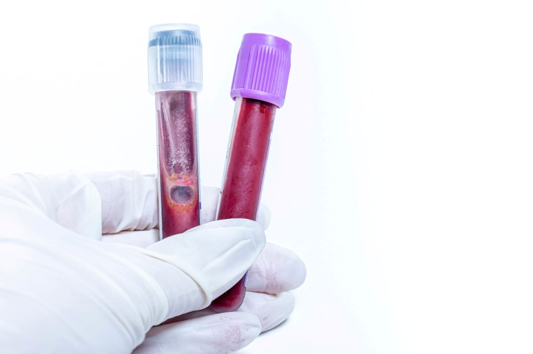
What is PSA screening? PSA is a protein that the prostate cells produce. Prostate-specific antigen (PSA) keeps the semen in a liquid state, which is necessary for the nourishment and transportation of the sperm. PSA is easily measurable; in fact, a simple blood test can reveal the level and concentration of PSA in a male’s bloodstream.

PSA screening NYC
(Source)

It is a powerful screening tool that helps diagnose multiple health conditions, especially prostate cancer and other prostate-related issues. PSA levels are high during cancerous prostate conditions. However, there may be other factors for the increase in PSA levels in the bloodstream. Here’s what you should know about PSA and PSA screening.

What Does a PSA Screening Suggest?

PSA screening is one of the most common methods in diagnosing prostate cancer. By measuring the level of prostate-specific antigen in the blood, doctors can identify the presence of any prostate-related conditions, diseases, or disorders. Usually, this is the first step of diagnosis when a doctor suspects prostate cancer in a patient.

Additionally, PSA screening also helps doctors determine the effects of cancer treatments on patients (male). PSA levels may drop significantly due to a variety of reasons, such as drugs and medications. Not only that, but radiation therapy, chemotherapy, and some other cancer treatment methods can alter the level of PSA present in the bloodstream.

In the PSA screening test results show high PSA levels, doctors may confirm the presence of cancerous cells even after treatments. Hence, they make recommendations regarding additional care and treatments.

What Does a Normal PSA Test Look Like?

There isn’t a specific level of PSA that doctors might call normal or abnormal. It is valid to assume that PSA can vary substantially in the bloodstream of a male over time. Previously, doctors would consider 4.0ng/mL as a normal PSA level. Likewise, they would also consider a PSA level above that as abnormal.

Following that, the prostate biopsy was the course of action in detecting the presence of prostate cancer. You should know that PSA levels vary significantly, and sometimes a man with a PSA level of 4.0ng/mL or below might have prostate cancer and vice versa.

This is because there are multiple factors at play that determine the level of PSA in the bloodstream. For instance, urinary tract infections or conditions like prostatitis can cause the PSA levels to rise. On the other hand, some drugs can lower the PSA levels in the blood.

In general, most doctors believe a sharp and sudden rise in the PSA level of a man might link to prostate cancer. Accordingly, PSA levels that are continuously rising may also indicate the manifestation of prostate cancer.

Potential Limitations of PSA Screening

PSA screening has its limitations. Here are some of the factors that can mislead the PSA screening test results.

Firstly, the PSA levels can rise similar to other bloodstream components due to a variety of factors. However, the test results can often be misleading because it is possible to have a normal PSA level and prostate cancer at the same time. Conversely, it is also possible that someone might not have prostate cancer but still have high PSA levels.

PSA-Lowering refers to when medications and drugs interfere with the normal PSA levels in the bloodstream. This can occur due to urinary conditions, BPH, chemotherapy, and few other factors.

PSA screening and testing
(Source)

PSA-Raising can occur due to cancer. Besides that, a rise in PSA level may be the outcome of an inflamed or enlarged prostate. Moreover, PSA-level fluctuations are a normal effect of aging as well.

Over-diagnosis occurs when PSA screening test results identify prostate cancer with high levels of PSA present in the bloodstream. Prostate cancer may not be fatal in the short run or cause severe (even noticeable symptoms). Hence, diagnoses may identify the severity of prostate cancer that may not likely carry the risk of death.

PSA Screening & Testing: Conclusion

PSA screening is a critical part of prostate cancer diagnoses. Moreover, it is important in determining the overall health quality of a person. Although PSA screening has its limitations, it is suitable to detect prostate cancer early by measuring the PSA concentration in the bloodstream. It becomes easier for you and your urologist to carry out the most appropriate and effective treatment options with early detection.

Overall, PSA screening is important when you suspect or observe symptoms of prostate cancer in a person. Do you require PSA screening or other prostate-related treatments, diagnoses, or care? Fifth Avenue Urology has some of the most experienced and reliable urologists.

Give us a call at 212-675-3186 to set an appointment with our urological experts.


References and Related Links:

https://www.mayoclinic.org/tests-procedures/psa-test/about/pac-20384731
https://zerocancer.org/learn/about-prostate-cancer/detection-diagnosis/psa-test/
https://www.webmd.com/prostate-cancer/guide/psa
https://www.cancer.gov/types/prostate/psa-fact-sheet