
Putting Patients First
Welcome to Fifth Avenue Urology, the practice of Dr. Yaniv M. Larish, located on Manhattan’s Upper East Side in New York City. We provide advanced diagnosis and treatment for the full spectrum of male and female urological conditions using the latest medical, minimally invasive, robotic, and reconstructive surgical techniques.
Dr. Larish is a board-certified urologist and surgeon who served as Chief Resident of Urology at Lenox Hill Hospital. He is also an Assistant Professor of Obstetrics and Gynecology at Rutgers University and serves as Director of Minimally Invasive Urological Surgery and Urogynecology at Jersey City Medical Center, part of Robert Wood Johnson Barnabas Health. He is recognized for providing thorough, individualized, and compassionate care while treating patients with a wide range of urological disorders, from common conditions to some of the most complex reconstructive cases.
 His areas of expertise include kidney stones, enlarged prostate (BPH), urinary incontinence, erectile dysfunction, male infertility, urological cancers, robotic and reconstructive urologic surgery, and the multidisciplinary treatment of complex endometriosis involving the urinary tract, bladder, ureters, bowel, and pelvic organs. He is frequently consulted for second opinions and challenging cases requiring specialized surgical expertise.
At Fifth Avenue Urology, we believe that exceptional patient care begins with listening. Every treatment plan is personalized to each patient’s condition, goals, and quality of life, combining academic-level expertise with the individualized attention of a private practice.
Schedule an appointment today
212-675-3186

Featured Urology Topics
- Advanced Endometriosis & Female Pelvic Health
- Penile Implant Surgery
- Vasectomy Reversal
- Kidney Stone Treatment
- Enlarged Prostate (BPH)
- Overactive Bladder & Urinary Incontinence
- Erectile Dysfunction
- Male Infertility
- Peyronie’s Disease
- Bladder Cancer
- Prostate Cancer
Yaniv M. Larish, M.D.
 Dr. Yaniv M. Larish is committed to providing compassionate, individualized care for every patient. Whether treating a common urological condition or managing a highly complex reconstructive case, he believes that every patient deserves the time, attention, and expertise necessary to develop the best treatment plan.
Known for his thoughtful approach and surgical expertise, Dr. Larish is frequently consulted for second opinions and challenging cases requiring advanced urologic and reconstructive care. Same-day appointments are available for urgent concerns whenever possible, and house calls may be arranged in select situations.
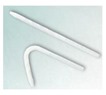
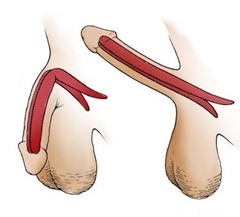
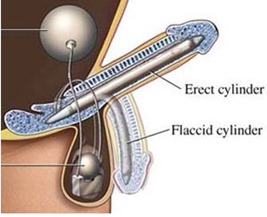
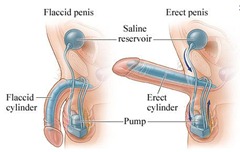
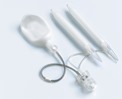 There are different types of penile implants, also known as a penile prosthesis. Some are one piece implants consisting of a pair of cylinders that are surgically implanted into the penis. They are not inflatable, and allow you to easily position your penis for intercourse or in a concealed state. Other implants are devised with pumps that are implanted into the scrotum. Some consist of fluid filled cylinders implanted in the penis, with the pump bulb implanted in the scrotum for easy inflation for erection. There are penile prostheses which allow the penis to expand in length, consisting of a reservoir in the abdomen with a scrotal pump and cylinders in the penis. Fluid that is pumped from the reservoir can be controlled to provide both girth and rigidity, with a natural looking erection and a soft and natural state when deflated and flaccid.
 Today penile prosthetic implants are highly successful treatments for men with ED who do not respond, or who do not want to use, other forms of therapy for ED. Typically men who have penile implants have their sense of lot manhood restored. That restored sense of manhood, of being capable at any time, may be the most important outcome of prosthetic surgery.
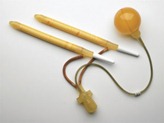 That first implant was soon improved upon with a more natural semi-rigid device (the Small-Carrion penile prosthesis) and in the mid-1970’s American Medical Systems introduced the first inflatable penile prosthesis. The inflatable penile prosthesis replicates a natural erection. It is a hydraulic, (i.e., fluid-based system) that at rest resembles the flaccid or non-erect penis and when inflated resembles a normally erect penis. Because prostheses are located within the body no one looking at the man with a prostheses can tell that it is place.