
• top-urologist-nyc-bpd-ed-prostate-cancer-01
  • best-top-urologist-upper-east-side-ues-nyc
  • top-urologist-nyc-vasectomy-implants-prostate-03

Putting Patients First


Welcome to Fifth Avenue Urology, the practice of Dr. Yaniv M. Larish. We are located in Manhattan, in New York City’s beautiful Upper East Side. We offer the most advanced state of the art diagnosis and treatment for all problems of the male and female urological and reproductive systems.

Dr. Larish served as the former chief resident of Urology at Lenox Hill Hospital. Drs. Larish is focused on providing exceptional, detail oriented, unrushed, and compassionate urological care to men and women of all ages. At Fifth Avenue Urology, we view the ability to practice medicine as a privilege, not a right. They treat their patients with respect, professionalism and compassion.


Schedule an appointment today

212-675-3186

zocdoc book appointment fifth avenue urology nyc

Yaniv M. Larish, M.D.

dr-yaniv-larish-fifth-avenue-urology2Dr. Larish is a urologist and surgeon treating women and men with a variety of urological conditions. His expertise is in treating complex kidney stones, enlarged prostates (BPH), incontinence, erectile dysfunction, infertility, and urological oncology (prostate, bladder, kidney, and adrenal cancers). He is an expert in general urology and is often consulted for second opinions.

Dr. Larish’s dedication to patients and their families drives his belief in prompt evaluation and care. He treats all his patients like family. As such, same day appointments are available for urgent issues and house calls can be made in select cases.


Category Archives: Pelvic Floor Disorder

Pelvic Floor Therapy for Men and Women: Urologist-Recommended Solutions

Pelvic floor therapy, once considered a niche form of treatment, has become a widely recognized and urologist-recommended solution for men and women suffering from pelvic floor dysfunction. Whether due to aging, childbirth, surgery, or other health conditions, pelvic floor disorders can significantly impact quality of life. In NYC, specialists like Dr. Yaniv Larish at Fifth Avenue Urology are helping patients restore function and regain comfort through comprehensive, evidence-based pelvic floor therapies.

Pelvic Floor Therapy for Men and Women-Urologist-Recommended Solutions

Understanding the Pelvic Floor and Its Function

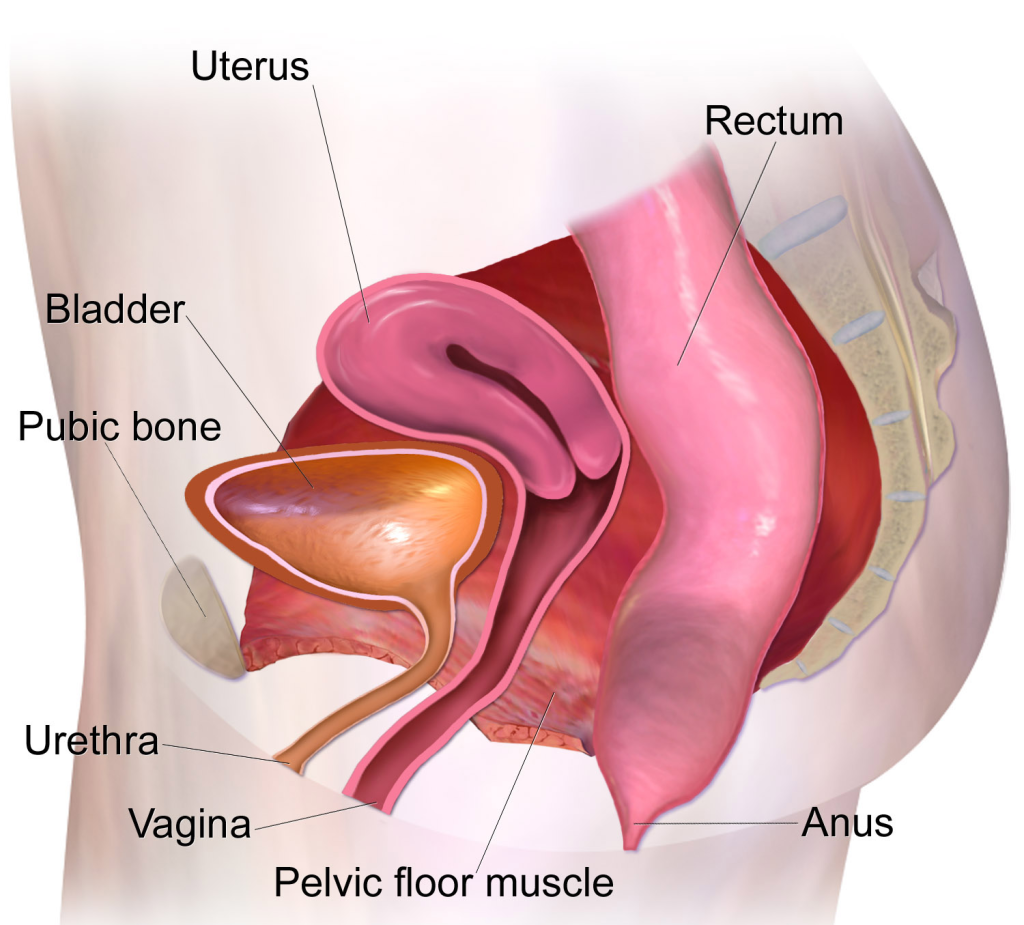
The pelvic floor is a group of muscles and connective tissues that support the bladder, urethra, intestines, and, in women, the uterus. These muscles also control urination, bowel movements, and sexual function. When the pelvic floor muscles are too weak or too tight, it can lead to various urological symptoms such as urinary incontinence, pelvic pain, or incomplete emptying of the bladder.

Pelvic floor dysfunction affects both men and women, though it often manifests differently:

• In women, it may arise post-childbirth, with menopause, or after pelvic surgeries.
• In men, it’s frequently linked to prostate surgery, chronic constipation, or high-impact exercise.

Signs You May Benefit from Pelvic Floor Therapy

Pelvic floor issues are not always easy to recognize at first. Common symptoms that suggest you may need pelvic floor therapy include:

  • Frequent urination or urgency
  • Urinary leakage or incontinence
  • Pelvic pain or pressure
  • Pain during intercourse (for women)
  • Constipation or straining during bowel movements

These symptoms can be disruptive, embarrassing, and often go untreated because patients are unaware that effective, non-invasive treatment exists.

How Pelvic Floor Therapy Works

Pelvic floor therapy focuses on improving muscle strength, coordination, and relaxation. Treatment plans are tailored to the individual’s diagnosis and may include:

  • Biofeedback to retrain pelvic floor muscles
  • Manual therapy to relieve muscle tightness and trigger points
  • Electrical stimulation to improve neuromuscular control
  • Home exercises designed to strengthen or relax the pelvic floor

Sessions are typically conducted by a physical therapist with specialized training in pelvic health. Some urologists may also provide direct referrals and collaborate with therapists to optimize outcomes.

Benefits of Pelvic Floor Therapy for Urological Health

For many patients, pelvic floor therapy offers a non-surgical pathway to symptom relief. The benefits may include:

• Reduced urinary incontinence episodes
• Decreased pelvic pain
• Better bladder control
• Improved sexual health
• Enhanced post-surgical recovery (e.g., after prostatectomy)

Early intervention is key. In cases like overactive bladder or post-prostatectomy incontinence, starting therapy early can prevent long-term dysfunction.

Pelvic Floor Therapy for Men and Women: Urologist-Recommended Solutions – Conclusion

Pelvic floor therapy is an essential component of modern urological care, offering men and women in NYC a proven, non-invasive option for managing pelvic floor disorders. Whether you’re facing urinary incontinence, pelvic pain, or recovering from urologic surgery, therapy can improve function and quality of life significantly. If you’re experiencing symptoms, speak with a urologist who specializes in pelvic floor disorders to explore your options.

Expert Urological Care and Pelvic Health Solutions in NYC

At Fifth Avenue Urology, Dr. Yaniv Larish works with both men and women to diagnose and manage pelvic floor disorders with compassion and clinical expertise. His patient-first approach includes referrals to trusted pelvic floor therapists, along with medical management tailored to your unique condition. Regain control and confidence with care from one of Manhattan’s leading urologists.

FIFTH AVENUE UROLOGY
Dr. Yaniv Larish
4 East 76th Street
New York, NY 10021
Phone: 212-675-3186
Website: https://www.fifthavenueurology.com/

Pelvic Floor Disorders in Women: Causes and Treatments

Pelvic floor disorders (PFDs) in women are a group of conditions that affect the muscles, ligaments, and connective tissues supporting the pelvic organs. These disorders can lead to problems with bladder control, bowel function, and sexual health. While often associated with aging or childbirth, pelvic floor disorders can affect women at any stage of life. Understanding the causes, symptoms, and available treatments is crucial for early intervention and improved quality of life.

top urologist for pelvic floor disorders in women

What Are Pelvic Floor Disorders?

The pelvic floor is a group of muscles and connective tissues that support the bladder, uterus, vagina, and rectum. When these structures become weakened or damaged, they may result in various pelvic floor disorders, including:

  • Urinary Incontinence: Involuntary leakage of urine, especially during coughing, sneezing, or exercise.
  • Pelvic Organ Prolapse: Descent or bulging of pelvic organs into or outside of the vaginal canal.
  • Fecal Incontinence: Inability to control bowel movements, leading to accidental stool leakage.
  • Pelvic Pain: Chronic discomfort or pressure in the pelvic region.

Causes and Risk Factors

Several factors can contribute to the development of pelvic floor disorders. While some are unavoidable, others can be managed or mitigated through lifestyle choices and medical care.

Common Causes

  • Childbirth: Vaginal delivery, especially of large babies or after prolonged labor, can stretch and damage pelvic floor muscles and nerves.
  • Aging and Menopause: Decreased estrogen levels after menopause can weaken the tissues supporting the pelvic organs.
  • Chronic Pressure: Constipation, chronic coughing, obesity, or heavy lifting can increase pressure on the pelvic floor over time.
  • Surgery or Trauma: Pelvic surgeries or injuries can alter muscle and nerve function.

Symptoms to Watch For

Pelvic floor disorders may present gradually or suddenly. Some common symptoms include:

  • Sensation of pelvic pressure or fullness
  • Urinary urgency, frequency, or leakage
  • Difficulty with bowel movements or fecal leakage
  • Visible bulge from the vagina (in cases of prolapse)
  • Pain during intercourse

If you’re experiencing these symptoms, a pelvic exam and additional testing from a urologist or urogynecologist may be necessary.

Treatment Options for Pelvic Floor Disorders

Treatment depends on the specific condition, its severity, and individual patient factors. Fortunately, a wide range of effective therapies are available.

Conservative Treatments

Non-surgical options are often the first line of treatment, particularly for mild to moderate symptoms.

  • Pelvic Floor Physical Therapy: A specialized physical therapist can guide exercises (like Kegels) to strengthen pelvic muscles and improve control.
  • Pessary Devices: A small device inserted into the vagina to support pelvic organs and reduce prolapse symptoms.
  • Medications: Depending on the condition, medications may be prescribed to manage bladder symptoms or improve bowel function.

Minimally Invasive and Surgical Treatments

When conservative treatments aren’t effective, minimally invasive procedures or surgery may be necessary.

  • Urethral Sling Surgery: A sling is placed to support the urethra and prevent urinary incontinence.
  • Sacral Neuromodulation: A small device is implanted to regulate nerve signals to the bladder and bowel.
  • Pelvic Organ Prolapse Repair: Surgery can restore the normal position of prolapsed organs, either through the vagina or abdomen, sometimes using mesh for added support.

For detailed treatment options, visit the American Urogynecologic Society.

Pelvic Floor Disorders in Women: Conclusion

Pelvic floor disorders are common but treatable conditions that can greatly affect a woman’s daily life and confidence. Whether you’re managing symptoms of urinary incontinence, pelvic organ prolapse, or chronic pelvic pain, effective treatments are available—from physical therapy to advanced surgical options. Early diagnosis and the right care plan are essential.

For comprehensive evaluation and expert treatment, contact Dr. Yaniv Larish at Fifth Avenue Urology. Dr. Larish provides personalized care using the latest techniques to help women restore function and improve quality of life.

FIFTH AVENUE UROLOGY
5 East 83rd Street
New York, NY 10028
212-675-3186