 Endometriosis excision vs. ablation is an important distinction for patients considering surgery for endometriosis, because the two techniques treat endometriosis lesions in fundamentally different ways. Both approaches can be used during minimally invasive surgery, but the depth and location of disease, the organs involved, a patient’s symptoms, fertility goals, and previous treatments can all influence which surgical approach is appropriate.
Understanding Endometriosis
Endometriosis occurs when tissue similar to the lining of the uterus grows outside the uterus. Lesions may occur on the pelvic lining, ovaries, fallopian tubes, bladder, ureters, bowel, and other structures. The condition can cause chronic pelvic pain, painful menstruation, pain during intercourse, urinary or bowel symptoms, and fertility problems. Some patients have superficial disease, while others develop deep endometriosis that extends beneath the surface of affected tissues.
This variation is one reason endometriosis surgery must be individualized. The location and depth of lesions can influence not only symptoms but also how safely and completely abnormal tissue can be treated.
What Is Endometriosis Ablation?
Ablation treats endometriosis by applying energy to destroy or vaporize visible lesions. Depending on the surgical technique, this may involve electrosurgery or another energy source. Rather than physically removing the entire lesion, the surgeon destroys the abnormal tissue at its visible surface.
Ablation can be useful in selected cases of superficial endometriosis. However, one limitation is that the visible surface of a lesion does not necessarily indicate how deeply the disease extends beneath the tissue. This becomes particularly important when endometriosis is deep or involves structures such as the bladder, ureter, bowel, or pelvic nerves.
What Is Endometriosis Excision?
Excision involves surgically cutting out an endometriosis lesion rather than destroying its visible surface. The surgeon carefully separates the lesion from surrounding healthy tissue and removes the affected tissue when it can be done safely.
Excision also allows removed tissue to be sent to pathology for microscopic examination. The technique can be particularly important when treating deep endometriosis because the surgeon can identify the boundaries of the disease and address tissue extending beneath the surface.
International guidance from the European Society of Human Reproduction and Embryology (ESHRE) states that when surgery is performed, clinicians may consider excision rather than ablation to reduce endometriosis-associated pain. The guideline also notes that excision is likely to be more suitable for deep endometriosis because it can be difficult to determine whether an entire deep lesion has been destroyed using an ablative technique.
Full guideline: https://www.eshre.eu/Guidelines-and-Legal/Guidelines/Endometriosis-guideline.aspx
Excision vs. Ablation: The Key Differences
Although both procedures are intended to treat endometriosis, there are several practical differences patients should understand:
- Excision removes lesions: The surgeon cuts out affected tissue, including deeper portions when appropriate.
- Ablation destroys lesions: Energy is applied to the visible disease rather than physically removing the lesion.
- Excision provides tissue for pathology: Removed specimens can be examined microscopically.
- Depth matters: Deep infiltrating disease may extend below what is visible during surgery, making treatment more complex.
Importantly, this does not mean that excision is automatically superior for every patient or every endometriosis lesion. Evidence comparing the two approaches is mixed for some forms of superficial or minimal-to-mild endometriosis. ESHRE’s review found evidence supporting excision for certain pain outcomes, while another analysis found no significant differences for several pain measures at 12 months. The appropriate surgical technique therefore depends heavily on the type, depth, and location of disease.
Why Deep Endometriosis Requires Special Consideration
Deep endometriosis can involve organs and structures well beyond the reproductive tract. Disease may affect the bladder or grow around the ureters—the tubes that transport urine from the kidneys to the bladder. In complex cases, endometriosis can also involve the bowel, pelvic sidewall, or structures close to important nerves and blood vessels.
Surgery in these areas requires detailed knowledge of pelvic anatomy and may involve specialists from more than one surgical discipline. ESHRE’s surgical recommendations specifically address deep endometriosis involving areas including the urinary tract and emphasize the specialized technical considerations involved in these procedures.
Endometriosis of the Bladder and Urinary Tract
Urinary tract endometriosis deserves particular attention because symptoms can sometimes resemble more common bladder disorders. Depending on the location of disease, women may experience pelvic pressure, urinary urgency, painful urination, recurrent bladder discomfort, or pain that changes with the menstrual cycle. Some patients may have few obvious urinary symptoms despite significant disease.
Ureteral involvement can be especially important because obstruction of a ureter may interfere with drainage from a kidney. For patients with suspected bladder or ureteral endometriosis, appropriate imaging and evaluation can help define the extent of disease before surgery and determine whether a urologic surgeon should participate in treatment.
Choosing the Appropriate Surgical Approach
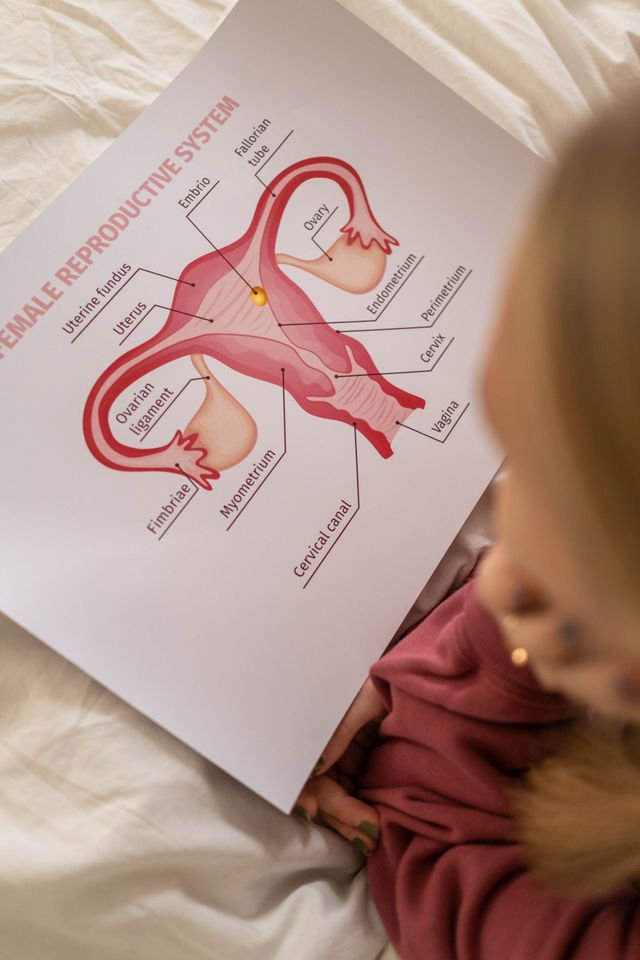 There is no single surgical technique that is appropriate for every patient with endometriosis. The decision should take into account the location and depth of disease, severity of symptoms, previous surgeries, fertility goals, involvement of the urinary or gastrointestinal tract, and the potential risks associated with operating near critical structures.
Patients considering surgery should understand what their surgeon expects to find, whether excision or ablation is planned, how deep disease will be addressed, and what will happen if endometriosis involving the bladder, ureter, bowel, or other organs is discovered.
Endometriosis Excision vs. Ablation: Understanding the Difference and Why It Matters: Conclusion
Understanding the difference between endometriosis excision and ablation can help patients have more informed conversations about surgical treatment. Ablation destroys visible endometriosis tissue, while excision physically removes lesions and may be particularly important when disease extends deeply beneath the surface. Neither technique should be viewed in isolation—the appropriate approach depends on the individual patient’s anatomy, symptoms, disease location, and treatment goals.
For women with complex endometriosis involving the urinary tract, specialized urological expertise can become an important part of surgical planning. A comprehensive evaluation can help determine whether the bladder, ureters, or other urinary structures are involved and how they can be protected or reconstructed during treatment when necessary.
Advanced Endometriosis and Urinary Tract Care at Fifth Avenue Urology
Dr. Yaniv Larish at Fifth Avenue Urology has a special interest in complex endometriosis involving the urinary tract, including bladder and ureteral endometriosis. His expertise includes advanced robotic and reconstructive urologic surgery, urogynecology, female pelvic health, and complex pelvic reconstruction.
For patients whose endometriosis affects or threatens the urinary system, this specialized urological experience can be particularly important when planning treatment as part of a multidisciplinary surgical approach.
FIFTH AVENUE UROLOGY
Dr. Yaniv Larish
4 East 76th Street
New York, NY 10021
Phone: 212-675-3186
Website: https://www.fifthavenueurology.com/


 His areas of expertise include kidney stones, enlarged prostate (BPH), urinary incontinence, erectile dysfunction, male infertility, urological cancers, robotic and reconstructive urologic surgery, and the multidisciplinary treatment of complex endometriosis involving the urinary tract, bladder, ureters, bowel, and pelvic organs. He is frequently consulted for second opinions and challenging cases requiring specialized surgical expertise.
 Dr. Yaniv M. Larish is committed to providing compassionate, individualized care for every patient. Whether treating a common urological condition or managing a highly complex reconstructive case, he believes that every patient deserves the time, attention, and expertise necessary to develop the best treatment plan.