
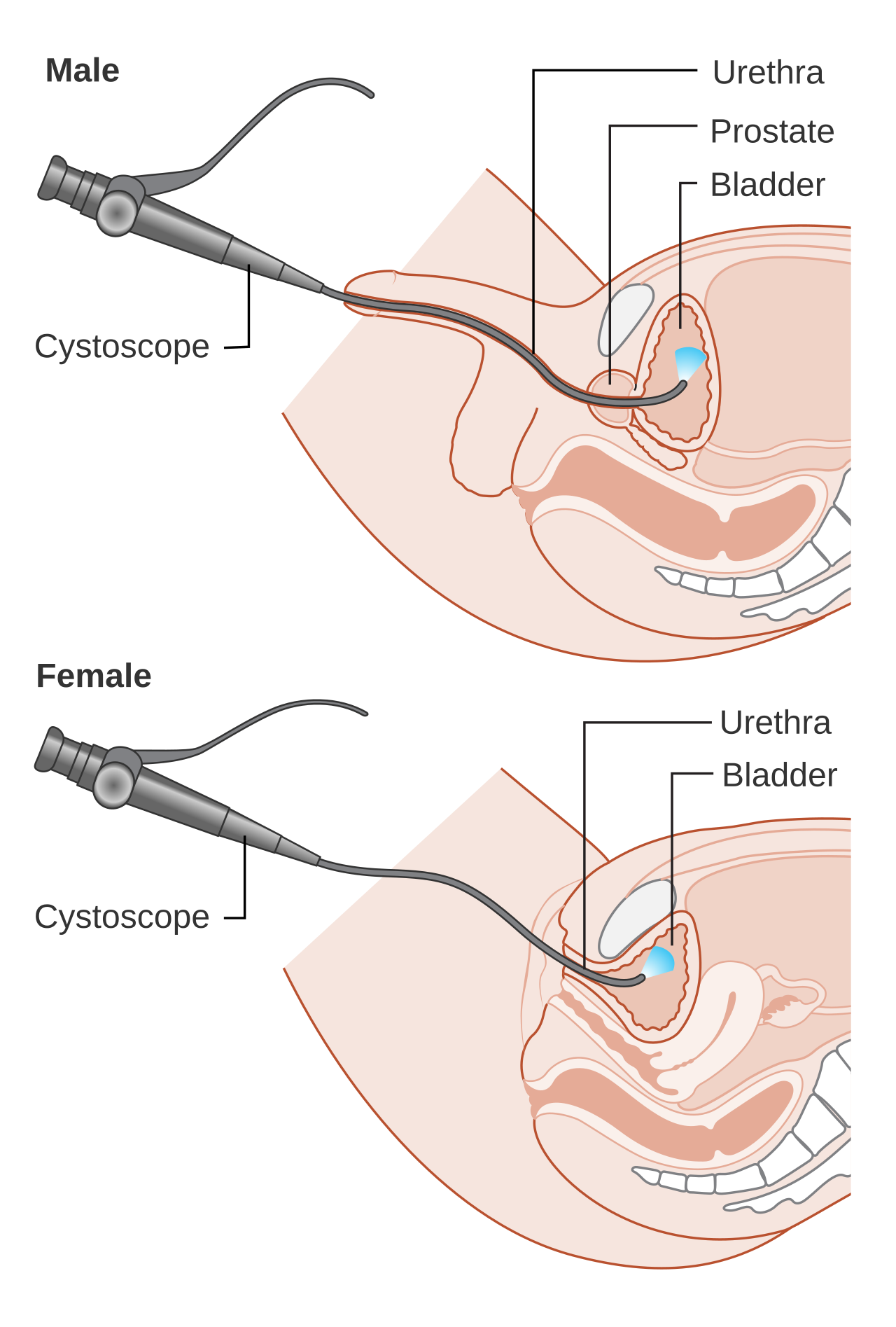
 Cystoscopy is a diagnostic procedure used to examine the inside of the bladder and urethra. For patients experiencing urinary issues—such as blood in the urine, frequent urinary tract infections, or unexplained pelvic pain—this test offers a clear and direct view of the urinary tract to help identify potential conditions. Understanding what to expect during a cystoscopy can help ease anxiety and ensure you’re fully prepared for your visit to a urologist in NYC.
What Is a Cystoscopy?
A cystoscopy involves the use of a thin, flexible or rigid tube called a cystoscope. This instrument is equipped with a camera and light, allowing the urologist to visually inspect the lining of the bladder and the urethra. Depending on the reason for the procedure, your doctor may perform a diagnostic cystoscopy or a therapeutic one—used to carry out minor treatments during the examination.
Preparing for the Procedure
Before the cystoscopy, your doctor will review your medical history and any medications you’re taking. In many cases, no major preparation is required, though you may be advised to:
- Avoid blood thinners or anticoagulants temporarily
- Empty your bladder before the procedure
- Take a prescribed antibiotic to prevent infection (if recommended)
In-office cystoscopies are typically done under local anesthesia, while more complex or therapeutic procedures might require sedation or general anesthesia, usually in an outpatient surgical setting.
During the Cystoscopy
The entire process usually takes between 5 and 15 minutes. If a flexible cystoscope is used:
- You’ll lie on an examination table while a numbing gel is applied to your urethra
- The scope is gently inserted through the urethra into the bladder
- Sterile water or saline may be introduced to expand the bladder and improve visibility
The doctor will then examine the bladder lining and urethra for abnormalities, such as inflammation, tumors, stones, or signs of infection. In some cases, tissue samples (biopsies) may be taken for further testing.
After the Procedure
Most patients can resume normal activities the same day, although some mild side effects are common:
- A burning sensation during urination
- Blood-tinged urine for a day or two
- Increased urgency or frequency
Drinking plenty of fluids can help flush the bladder and reduce irritation. Your doctor may recommend taking a mild pain reliever, like acetaminophen, if discomfort persists.
When to Contact Your Doctor
While complications are rare, it’s important to reach out to your urologist if you experience:
- Fever or chills
- Severe abdominal or pelvic pain
- Heavy bleeding
- Inability to urinate
What to Expect During a Cystoscopy Procedure: Conclusion
A cystoscopy is a safe and effective way to diagnose urinary tract conditions and monitor ongoing urological health. Understanding the procedure, preparation steps, and what to expect afterward can empower you to approach the test with confidence.
Expert Urological Care in NYC
At Fifth Avenue Urology, Dr. Yaniv Larish provides advanced diagnostic procedures—including cystoscopy—with precision, experience, and patient-centered care. Whether you’re dealing with urinary symptoms or need a thorough evaluation, Dr. Larish offers expert insight and cutting-edge technology to deliver clarity and relief. If you’re preparing for your first cystoscopy or want a second opinion, Fifth Avenue Urology is here to help.
FIFTH AVENUE UROLOGY
4 East 76th Street
New York, NY 10021
212-675-3186